
Silence and privacy as a foundation
One of the biggest distractions in the workplace is noise. Open-plan offices may encourage communication, but they also create a constant background hum. Studies¹ show that the average noise level in such spaces reaches around 53 dB, which already significantly disrupts concentration. Noise is one of the main reasons why employees often prefer working from home rather than in the office. Up to 70% of workers admit that workplace acoustics disturb them, and nearly a third state that noise prevents them from performing at their full potential. This clearly demonstrates that silence, calm, and the possibility of privacy are not luxuries, but necessities.
Air quality shapes thinking
Another factor that often goes unnoticed is air quality. Elevated carbon dioxide levels above 600 ppm have been shown in several studies² to reduce both cognitive performance and concentration. Likewise, excessive humidity above 60% can negatively impact productivity and comfort. The optimal temperature for office work typically falls between 22–24 °C. Ensuring adequate ventilation and a balanced indoor climate therefore directly affects not only comfort but also overall work performance.
Light as an ally of performance
Equally important is lighting. Light that is too dim causes fatigue, while light that is too strong can lead to irritation and headaches. Employees feel best in environments where light intensity ranges between 250 and 450 lux. Yet quality also matters – including color, uniformity, and the ability to mimic natural daylight. Properly chosen lighting supports not only concentration but also psychological well-being. Many studies confirm that suitable lighting conditions can significantly improve focus, reduce fatigue, and accelerate work pace.

The environment as a key to performance
If companies want to focus on increasing employee performance, they should not overlook the physical workspace. Investments in effective acoustics, healthy air, and proper lighting pay off in the form of greater efficiency, fewer errors, and more satisfied people.
Productivity does not begin with spreadsheets and KPIs, but with an environment where we can truly work well.
GEN4: Everything in balance
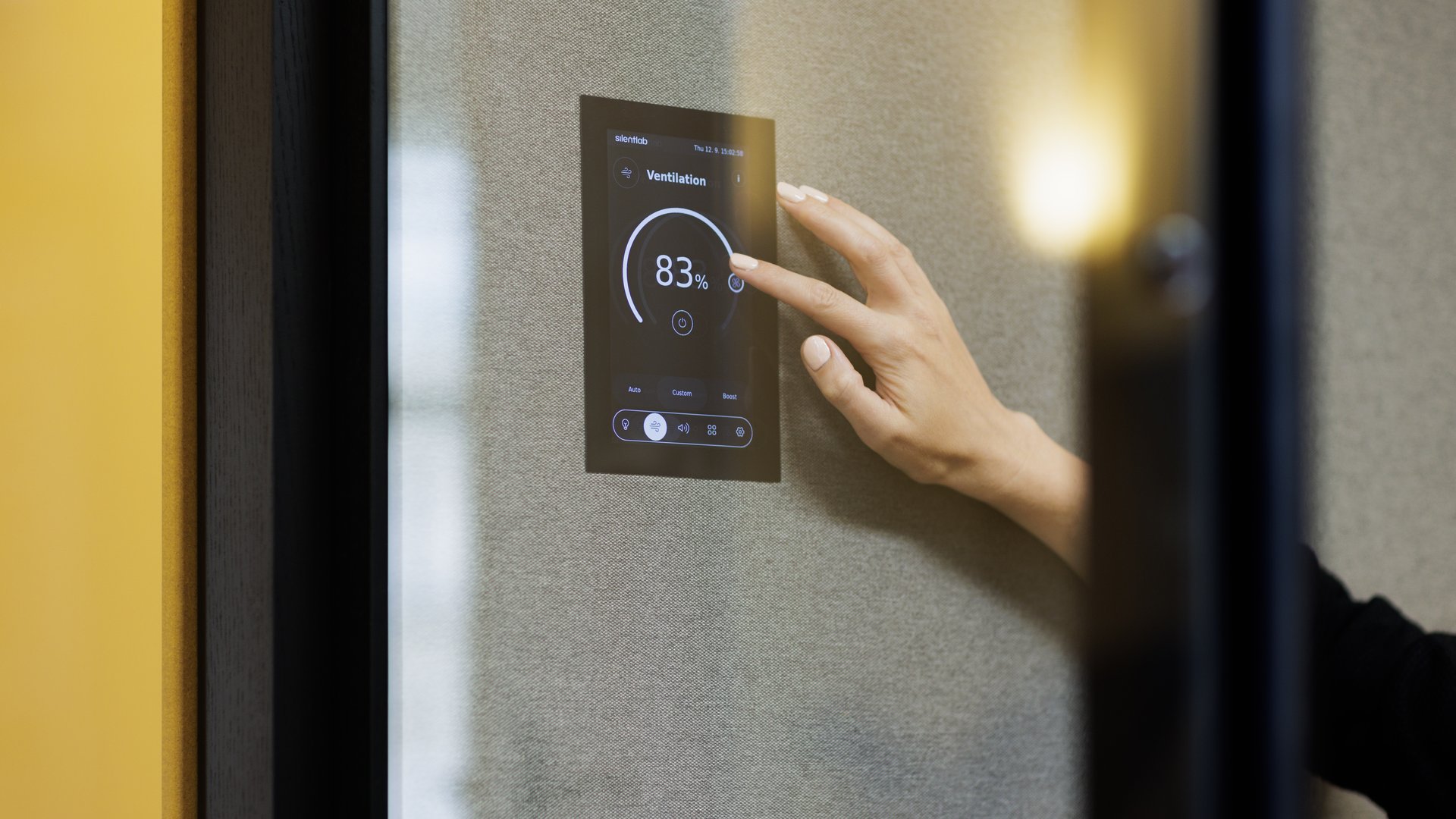
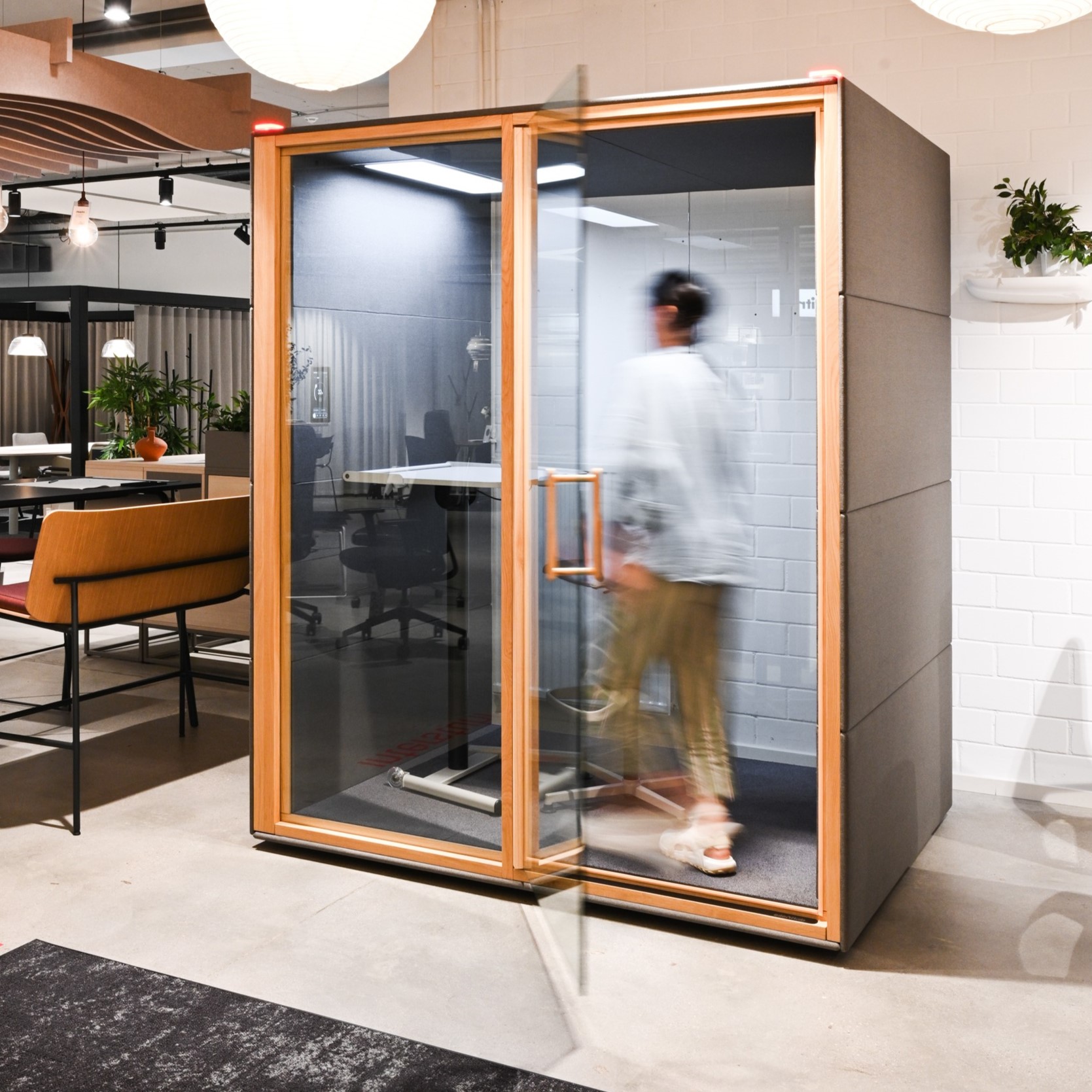
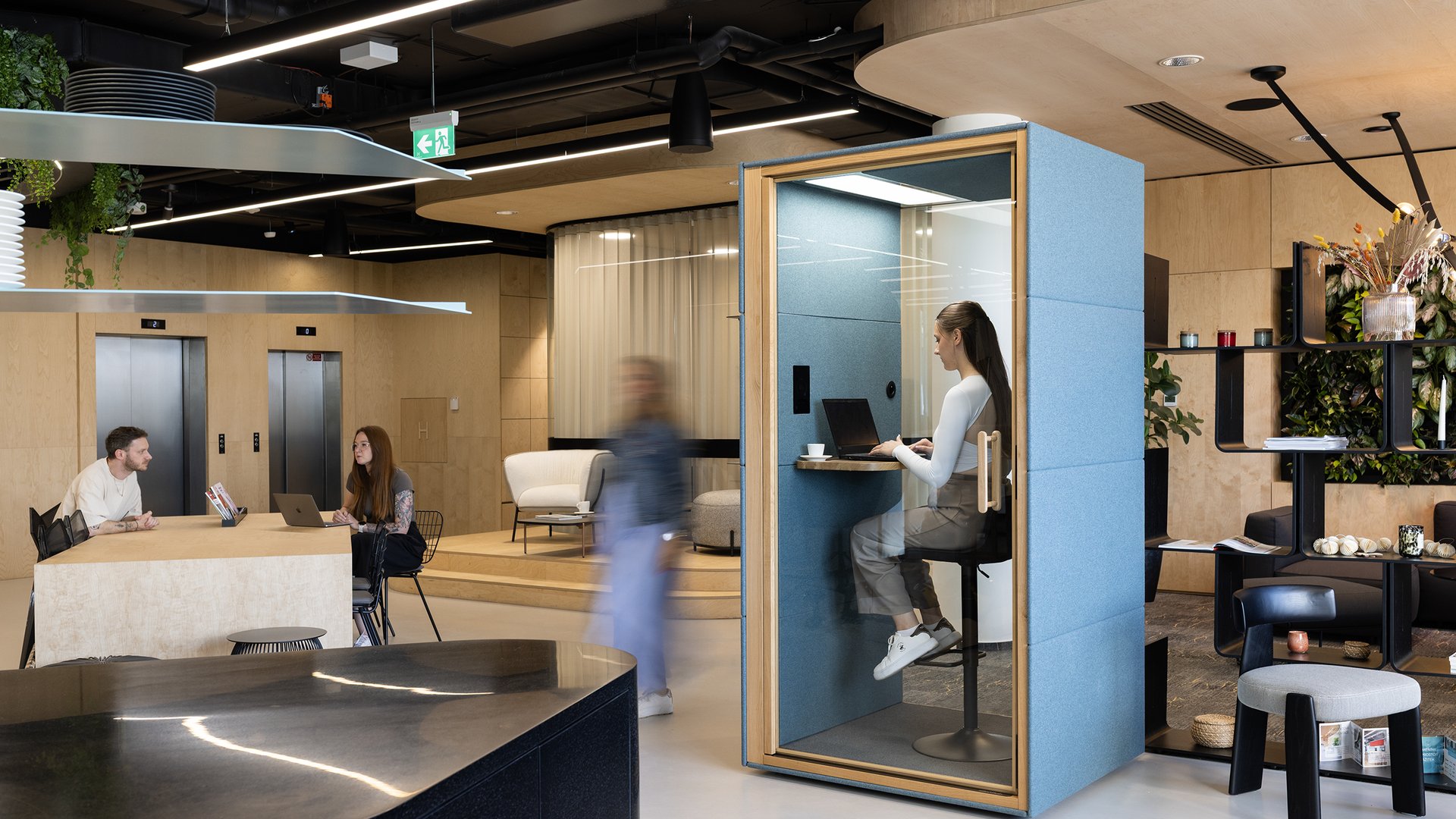
The GEN4 acoustic pod concept was created to address the need for environments that truly support productivity. It brings together insights into how surroundings influence performance and translates them into practical solutions. Its patented natural lighting uses LED technology that mimics daylight with a CRI above 98%, ensuring colors appear natural while the light itself promotes alertness and focus. Equally important is the advanced, quiet ventilation system with adjustable airflow, providing comfort even during extended use. Combined with highly effective acoustics that significantly reduce noise in the range of human speech, GEN4 creates a space where people can fully concentrate, create, and feel at ease. It shows that an office does not have to be a compromise, but can be a place that actively supports both performance and well-being.
¹ Research in Sound in Occupied Open-Plan Offices (UCL / other institutes) has shown that the average noise level in open offices (LA,eq) is around 53.6 dB during regular working hours. Elevated noise negatively affects concentration, error rates, fatigue, and stress. The JLL study (Is hybrid really working?) found that more than a quarter of employees cite noise and the inability to concentrate as the main reasons they prefer working from home over the office. According to Haworth, 70% of employees are disturbed by noise at work, and acoustics are an issue even in private offices – nearly 30% of people say that acoustics directly hinder their performance.
² A detailed study published in MDPI – Indoor Environmental Quality found that the optimal CO₂ level in offices is below approximately 600 ppm for maximum productivity and comfort. Higher levels lead to reduced concentration. The same research showed that a relative humidity above 60% begins to negatively impact productivity. Indoor Environmental Quality (IEQ) – the combination of air quality, temperature, lighting, and acoustics – has a strong influence not only on employee satisfaction but also on their cognitive performance.